Understanding Edge Computing
As digital transformation accelerates, businesses increasingly seek efficient and effective ways to process and utilize data. Among the various strategies emerging, Edge Computing stands out as a revolutionary approach that shifts data processing closer to its source. This paradigm allows companies to harness insights in real-time, enhance performance, and reduce latency, catering to the growing demands of modern applications such as IoT and machine learning. Understanding Edge Computing involves delving into its components, benefits, use cases, and future trends.
What is Edge Computing?
Edge Computing is defined as a distributed computing model that brings computation and data storage closer to the locations where it is needed. Unlike traditional cloud computing, which centralizes data processing in distant data centers, edge computing processes data at or near the source. This is particularly beneficial for applications that require real-time decision-making and low latency, such as autonomous vehicles, smart devices, and augmented reality applications.
Key Components of Edge Computing
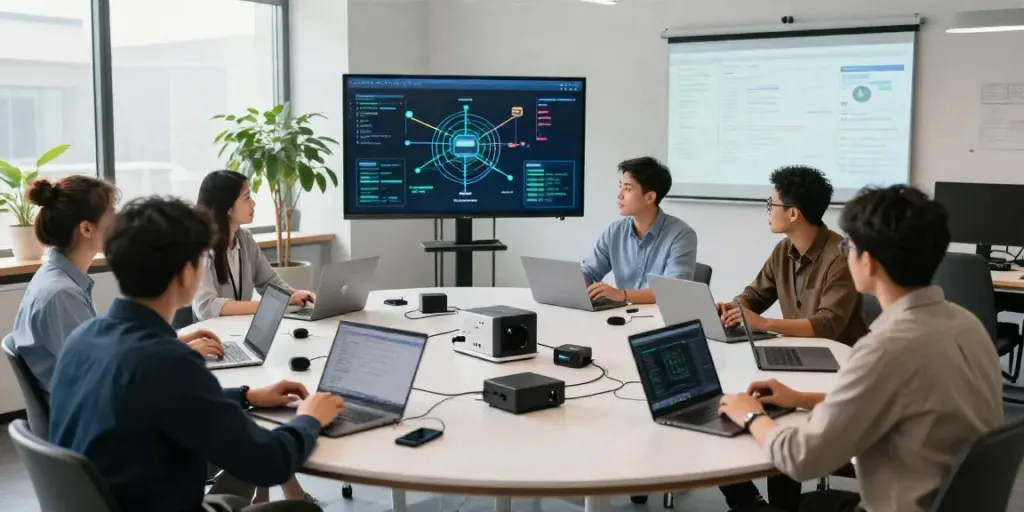
At its core, Edge Computing consists of several key components:
- Edge Devices: These include IoT devices, sensors, and other hardware that generate data.
- Edge Gateways: Acting as intermediaries, they aggregate data from edge devices and transmit it to the cloud or other data processing units.
- Edge Servers: These servers perform local data processing, reducing the need to send large volumes of data to the cloud.
- Networking Infrastructure: Reliable connectivity between edge devices, gateways, and central systems is crucial for seamless data flow.
How Edge Computing Differs from Cloud Computing
While both edge and cloud computing serve the purpose of data processing, they vary significantly in their architectures and applications:
- Location: Edge computing processes data closer to where it is generated, whereas cloud computing centralizes data in remote servers.
- Latency: Edge computing minimizes latency by processing data locally, making it ideal for time-sensitive applications.
- Bandwidth Efficiency: By reducing the amount of data sent to the cloud, edge computing optimizes bandwidth usage, benefiting businesses with limited internet capacity.
Benefits of Edge Computing
Organizations adopting Edge Computing can expect several transformative benefits, which can significantly improve their operations and competitiveness.
Real-Time Data Processing Advantages
One of the most compelling advantages of edge computing is its ability to facilitate real-time data processing. By executing calculations and analyses closer to the data source, organizations can achieve instantaneous insights, which are essential for applications such as:
- Autonomous vehicles making split-second decisions.
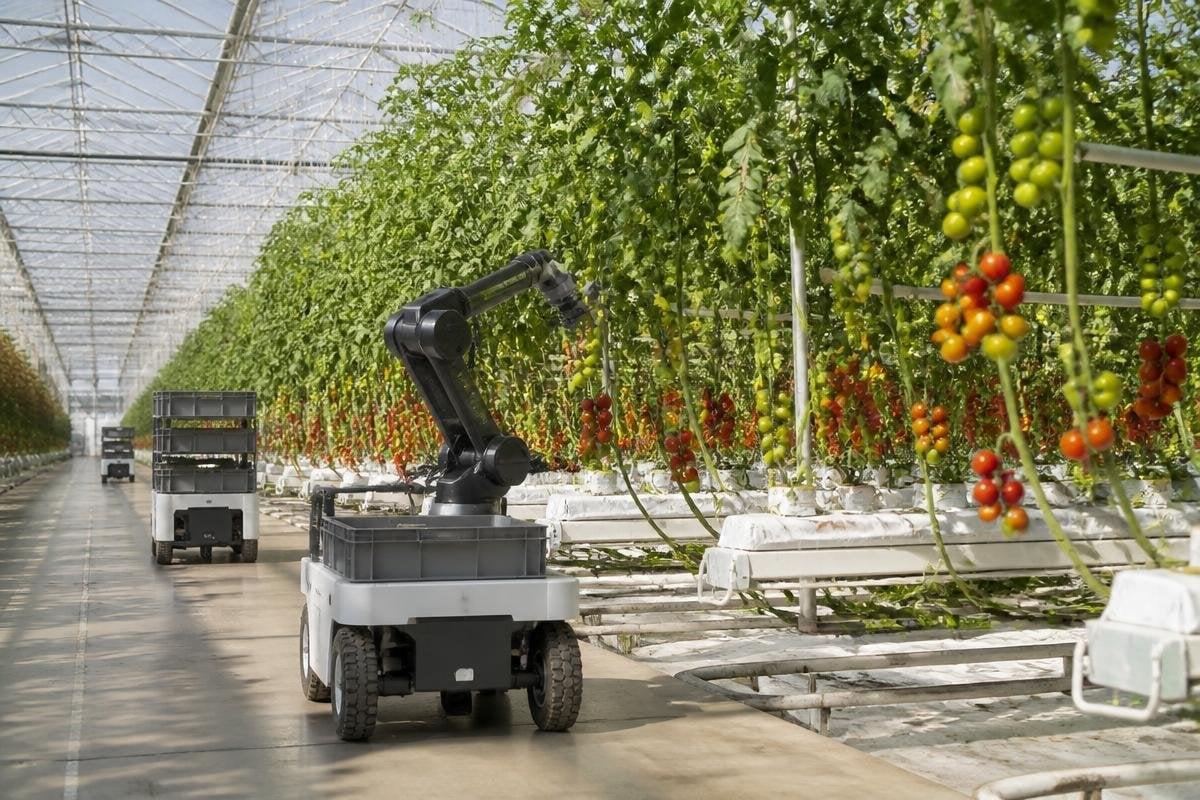
- Smart manufacturing systems optimizing processes based on real-time data.
- Healthcare technologies monitoring patient vitals and responding immediately to alerts.
Cost-Effectiveness for Businesses
Edge computing can also lead to cost savings. By processing data locally, organizations can:
- Reduce bandwidth costs associated with transmitting large volumes of data to the cloud.
- Minimize latency, thereby improving the performance of applications that rely on fast data processing.
- Decrease reliance on expensive cloud storage solutions.
Enhanced Security Protocols
Edge computing offers heightened security by limiting data exposure. Sensitive data is processed locally, reducing the risk of breaches during transmission to centralized cloud servers. Moreover, organizations can implement context-aware security protocols tailored to specific edge devices.
Common Use Cases of Edge Computing
The versatility of Edge Computing allows it to serve a multitude of industries and applications. Here are some of the most notable use cases:
Edge Computing in IoT Applications
Edge computing is crucial in the Internet of Things (IoT), where vast numbers of devices generate real-time data. Examples include:
- Smart Homes: Devices like thermostats and security cameras utilize edge computing to process data locally, enabling real-time responses.
- Wearable Health Tech: Wearable devices can analyze health metrics on the spot, allowing for immediate notifications and care adjustments.
Deployment in Smart Cities and Transportation
Smart cities leverage edge computing for efficient management of resources and infrastructure. Applications include:
- Traffic Management: Sensors gather real-time traffic data, which is processed locally to optimize signal timings and reduce congestion.
- Public Safety: Video surveillance systems can analyze footage in real-time to detect anomalies and alert authorities instantly.
Industrial Automation and Manufacturing
Edge computing revolutionizes industrial sectors by enabling:
- Predictive Maintenance: Machinery equipped with sensors can predict failures before they occur, minimizing downtime and repair costs.
- Process Optimization: Real-time monitoring of production lines allows for immediate adjustments to improve efficiency.
Challenges and Considerations
Despite its advantages, implementing edge computing comes with challenges that organizations need to address proactively.
Data Privacy and Compliance Issues
As data processing occurs at the edge, organizations must ensure compliance with regulations such as GDPR and CCPA. Protecting sensitive data and honoring user consent become paramount in edge computing deployments.
Infrastructure Setup and Maintenance Challenges
Setting up edge computing infrastructure can be complex and requires careful planning. Organizations must invest in:
- Hardware capable of supporting edge computing technologies.
- Networking solutions that ensure seamless connectivity between edge devices and central systems.
Interoperability Concerns in Systems
As companies deploy various edge devices and platforms, ensuring interoperability becomes critical. Different vendors may use diverse protocols, making integration challenging.
The Future of Edge Computing: Trends to Watch
Looking ahead, several trends are poised to shape the future of Edge Computing and its applications across industries.
Emerging Technologies and Innovations
As technologies like 5G roll out globally, they will enhance the capabilities of edge computing by providing:
- Higher data transfer speeds.
- Improved responsiveness for real-time applications.
Predictions for Businesses in 2026
By 2026, analysts predict that edge computing will be fundamental to enterprise IT strategies, emphasizing:
- Increased investment in edge infrastructure and services.
- Broader adoption across sectors like healthcare, manufacturing, and transportation.
Preparing for a Multi-Edge Environment
Organizations must prepare for a multi-edge environment where hybrid models of edge and cloud computing coexist. This will require robust strategies for data management and integration.
Frequently Asked Questions
What is Edge Computing?
Edge Computing is a distributed computing model that processes data closer to its source to improve response times and save bandwidth.
Is Edge Computing still a thing?
Yes, Edge Computing is increasingly relevant as businesses seek faster processing capabilities and improved performance from their data infrastructures.
Does Netflix use edge computing?
Yes, Netflix employs edge computing through its Content Delivery Network (CDN) to deliver content efficiently to users, minimizing buffering and loading times.
What is edge computing vs cloud computing?
Edge computing processes data locally near its source, while cloud computing centralizes processing in distant servers. Edge computing is ideal for real-time applications, whereas cloud computing is suited for extensive data storage and analysis.